
Why the Props Matter as Much as the Camera
There's a moment in every creative product shoot where the set either comes together or it doesn't. You can have perfect lighting, a well-composed frame, and a product worth showing, and still end up with images that feel flat because the environment surrounding that product doesn't belong to it. That's the problem props solve, and it's why I treat sourcing and set building as seriously as any other part of the process.
The problem with generic styling
Most styled product photography suffers from the same issue: the props look like props. Identical marble contact paper, the same linen fabric, a candle from a supermarket. These things have become so ubiquitous in product photography that they've stopped communicating anything. They're visual filler rather than intentional choices, and customers can tell the difference even if they can't articulate why.
What I'm after instead is something that feels specific to the brand. The styling should look like it was made for that product rather than assembled from a list of safe options. Getting there sometimes means trawling op-shops for a ceramic dish in exactly the right tone or a piece of timber with the right texture and age, things you simply can't order from a supplier. It means going further afield than the obvious sources, and it means the set ends up with character that's genuinely hard to replicate.
Custom builds: plinths, paper craft, and hand-finished sets
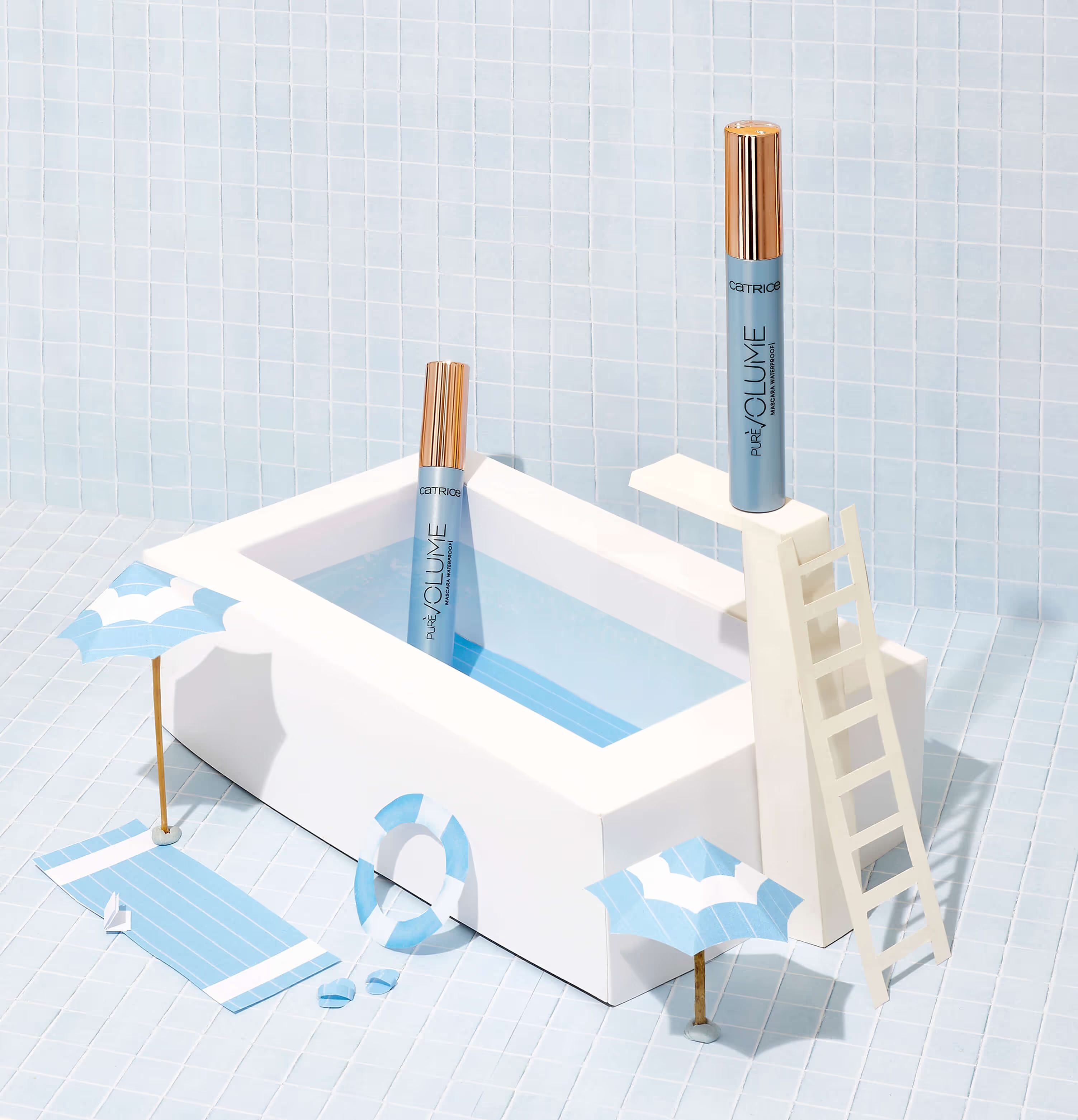
Beyond sourcing, I make a significant portion of what ends up in my sets. Plinths are a good example. I design and build my own with CNC-cut detail work, finished by hand with paint, texture, and surface treatments suited to the specific shoot. A plinth for a minimalist skincare brand looks nothing like one built for a jewellery shoot or a homeware campaign. The geometry, finish, and scale are all deliberate decisions made around the product.
Paper craft is another thread I return to regularly. Sculptural backdrops, textured surfaces, shaped elements that add depth or visual interest without competing with the product itself. It's time-intensive work, but the results don't look like anything you can buy or download. That matters when a brand is trying to carve out a distinct visual identity.
Set building also extends to larger scenes: bathrooms, using various sinks or basins, kitchen worktop arrangements with tiles mounted on boards,, lifestyle-style environments built within a studio context. These give creative shoots the grounded, contextual feel of a location without the logistical complexity of actually being on location, and with far more control over lighting and continuity.
Why this is worth knowing about
If you're briefing a creative shoot, the set is half the image. Strong photography built around generic or unconsidered styling will still look like generic styling. The craft that goes into sourcing, building, and finishing a set is what gives the final images their specificity, and specificity is what makes product photography memorable rather than simply adequate.
I work this way because it produces better results, and because it's the part of the process I find most interesting. Every brief is a different problem. Every product needs a different environment. Getting that right requires more than setting up a backdrop and hoping for the best.
If you have a creative project in mind, fill in a project brief via the website and I'll come back to you with questions and a direction. Or if you'd rather talk through the concept first, get in touch directly.